

A Blueprint to High Converting Landing Pages
Creating a high converting landing page is both an art and a science. It requires a deep understanding of what motivates visitors to take action, coupled with the technical know-how to implement those insights effectively. In this comprehensive guide, we’ll dissect the anatomy of a perfect landing page, revealing the essential components that can significantly boost your conversion rates. Whether you’re looking to drive sales, increase sign-ups, or capture leads, these principles will set you on the path to achieving your goals. And remember, if crafting such a page seems daunting, Chris Hurst is here to build that high-converting landing page for you.
Your First Impression
The Power of Clarity
The headline of your landing page is the first thing visitors see; it must be clear, compelling, and concise. It should instantly convey the value proposition of your offer, answering the visitor’s implicit question: “What’s in it for me?” A great headline is the hook that piques interest and encourages further exploration.
Matching the Message
Ensure your headline aligns with the messaging on your ads or marketing campaigns leading to the page. This consistency reduces confusion and increases the likelihood of conversion by confirming to visitors they’ve landed in the right place.
A Persuasive Sub-headline
Supporting Role
Directly beneath the headline, the subheadline should build on the initial promise, offering a secondary benefit or reinforcing the main message. This additional detail can persuade visitors who weren’t immediately convinced by the headline alone.
High-Quality Images or Videos
Visual Appeal
Incorporate high-quality, relevant images or a video to visually communicate your offering’s value. Visuals can quickly convey emotion, context, and benefits in a way that text alone cannot, making them a powerful tool for increasing engagement and conversions.
Product Demonstrations
For product-based offerings, consider using images or videos that show the product in use, helping visitors envision themselves benefiting from it. For services, visuals that depict positive outcomes or satisfied customers can be highly effective.
The Benefits, Not Just Features
Highlighting the Value
Visitors are more interested in how your offering will improve their lives than in its specifications. List the benefits clearly and concisely, using bullet points for easy scanning. Each benefit should address a specific pain point or desire of your target audience.
Social Proof
Building Trust
Incorporate testimonials, reviews, or logos of well-known clients to build credibility and trust. Social proof demonstrates to potential customers that others have found value in your offering, significantly influencing their decision-making process.
A Strong, Clear Call to Action (CTA)
Visibility and Persuasion
Your CTA is the most critical element of your landing page. It should be bold, big, and easy to find. Use persuasive language that encourages action, such as “Get Started,” “Sign Up Free,” or “Buy Now.” The color of the CTA button should stand out from the rest of the page, drawing attention and guiding visitors towards the desired action.
Minimize Friction
Ensure the process following the CTA is as streamlined as possible. Whether it’s filling out a form or making a purchase, the fewer steps, the better. Minimizing friction reduces the chances of visitors abandoning the page before completing the desired action.
Simplify the Design
Focus on the Goal
A high-converting landing page is uncluttered and focused. Remove any elements that don’t contribute to the conversion goal, such as unnecessary navigation links, to keep visitors focused on taking action.
Consistent Branding
Ensure that the landing page design aligns with your brand identity. Consistency in colors, fonts, and style helps reinforce your brand and increases the recognition factor, which is crucial for building trust and loyalty.
Optimize for Loading Speed
Importance of Speed
Page loading speed is a critical factor for keeping visitors engaged. A delay of just a few seconds can significantly increase bounce rates. Optimize images, leverage browser caching, and minimize the use of heavy scripts to ensure your landing page loads quickly.
Mobile Optimization
Catering to the Mobile Audience
With an increasing number of users accessing the web via mobile devices, your landing page must be optimized for mobile. A responsive design ensures that the page looks great and functions seamlessly across all devices, improving the user experience and conversion rates.
Test and Refine
The Power of A/B Testing
Regularly test different elements of your landing page, such as headlines, CTAs, and images, to see what works best. A/B testing allows you to make data-driven decisions that can lead to significant improvements in conversion rates.
Closing Remarks
Crafting the perfect landing page is a journey of continuous improvement and optimization. By focusing on the essential elements outlined in this guide, you can significantly enhance your page’s ability to convert visitors into customers, subscribers, or leads. Remember, the goal is to clearly communicate the value of your offer, build trust with your audience, and make it as easy as possible for them to take the desired action.
If you’re ready to elevate your online presence with a landing page that delivers high conversion rates, Chris Hurst is here to help. With a deep understanding of what drives conversions and a commitment to excellence, Chris can craft a custom landing page that not only meets your needs but exceeds your expectations. Don’t let the opportunity to optimize your online impact slip away. Contact Chris Hurst today and take the first step towards a more successful online future.
The Crucial Role of Accessibility in Web Design: Ensuring Your Website Welcomes Everyone
In our increasingly digital world, the importance of creating an inclusive online environment cannot be overstated. As a WordPress developer specializing in accessibility, I understand the crucial role of accessibility in Web Design, and what an impact a well-designed, ADA-compliant website can have on both users and businesses alike. This guide will explore the significance of web accessibility, the guidelines set forth by the Web Content Accessibility Guidelines (WCAG), and how I can help you build a website that’s accessible to all, ensuring no one is left behind.
The Essence of Web Accessibility
Web accessibility is about making your website usable for as many people as possible, including those with disabilities. This practice covers a wide range of disabilities, including auditory, cognitive, neurological, physical, speech, and visual impairments. With the internet being a pivotal resource for information, education, commerce, and more, ensuring accessibility is not just about compliance—it’s about opening your digital doors to everyone.
The Legal and Ethical Imperative for Accessibility
There’s a legal aspect to consider as well. In various jurisdictions, including the United States, laws such as the Americans with Disabilities Act (ADA) mandate web accessibility for certain businesses. Compliance with these laws is not optional; it’s a requirement. Beyond the legalities, it’s a matter of ethical responsibility—providing equal access to all users reflects a commitment to fairness and inclusion.
Navigating the WCAG
The WCAG guidelines, developed by the World Wide Web Consortium (W3C), are the benchmark for web accessibility. These guidelines are comprehensive, covering a range of recommendations to make web content more accessible. Following these guidelines is crucial for creating an ADA-compliant website, and they serve as a foundation for the work I do as a developer.
The Business Benefits of Accessibility
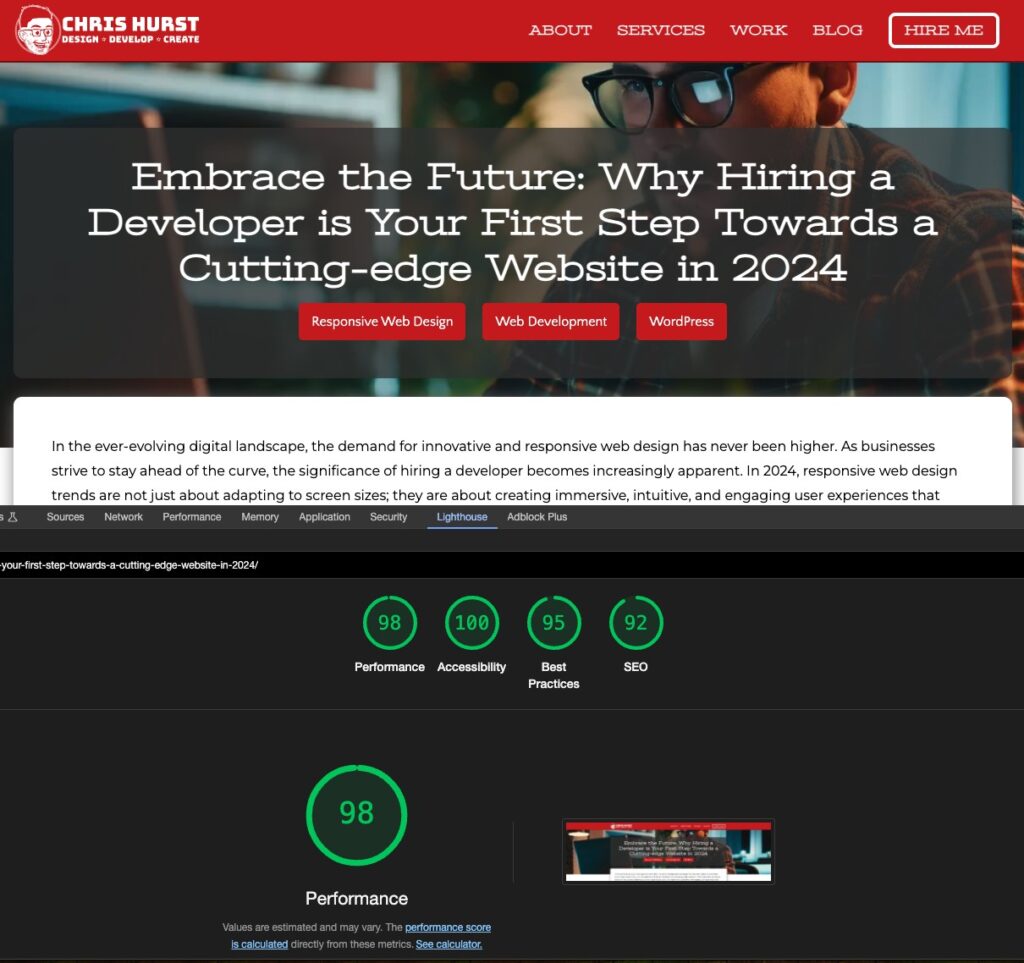
Accessibility isn’t just the right thing to do; it’s smart business. An accessible website can significantly broaden your audience, enhance user experience, and improve your SEO rankings. These benefits lead to increased engagement, customer loyalty, and ultimately, revenue. By prioritizing accessibility, businesses can tap into a wider market and build a stronger, more inclusive brand.
How I Can Help
As a WordPress developer with a focus on accessibility, I offer a range of services designed to ensure your website is welcoming to all users. Here’s how I can help:
- Expertise in Accessibility Standards: I bring a deep understanding of WCAG guidelines and ADA requirements to every project. This knowledge ensures that your website adheres to the latest standards in web accessibility.
- Custom WordPress Solutions: Leveraging the flexibility of WordPress, I create custom themes, plugins, and code tailored to meet your specific needs while ensuring full accessibility.
- Inclusive Design Philosophy: My approach to web design is rooted in inclusivity. I believe that a great website should be usable and enjoyable for everyone, regardless of their abilities or disabilities.
- SEO and Accessibility Integration: I understand the overlap between SEO best practices and web accessibility standards. By optimizing your website for accessibility, I also enhance its visibility and performance in search engine results.
- Ongoing Support: Web accessibility is an ongoing commitment. I offer continuous support and maintenance services to ensure that your website remains compliant with evolving standards and technologies.
Conclusion
Building an ADA-compliant website is not just about meeting legal requirements; it’s about embracing a broader vision of inclusivity and accessibility. As a dedicated WordPress developer, I am committed to creating websites that are not only beautiful and functional but also accessible to everyone. By working together, we can ensure that your digital presence is welcoming, inclusive, and compliant, reflecting the values of accessibility and equality for all users.
In the realm of digital accessibility, every step towards inclusivity is a step towards creating a better, more connected world. Let’s make your website a beacon of accessibility and inclusion.